
George Widener

Georgge Widener (b. 1962)
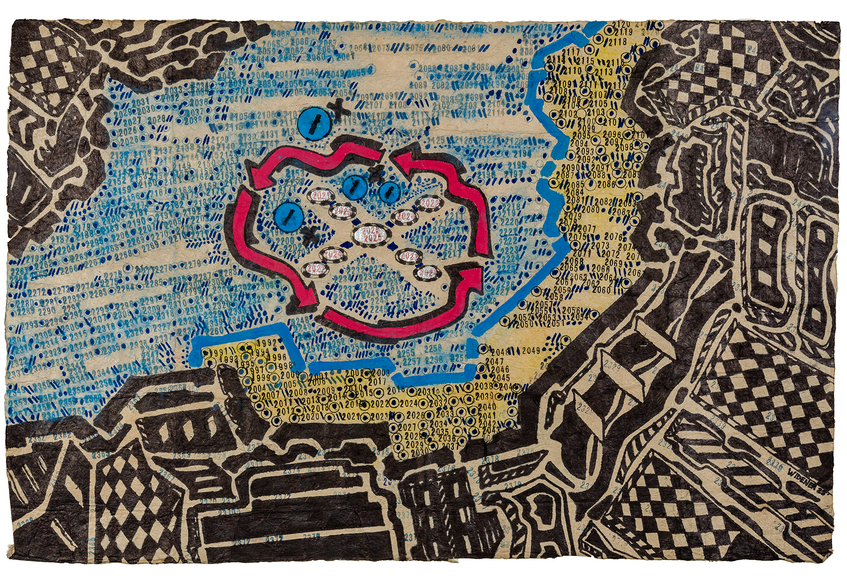
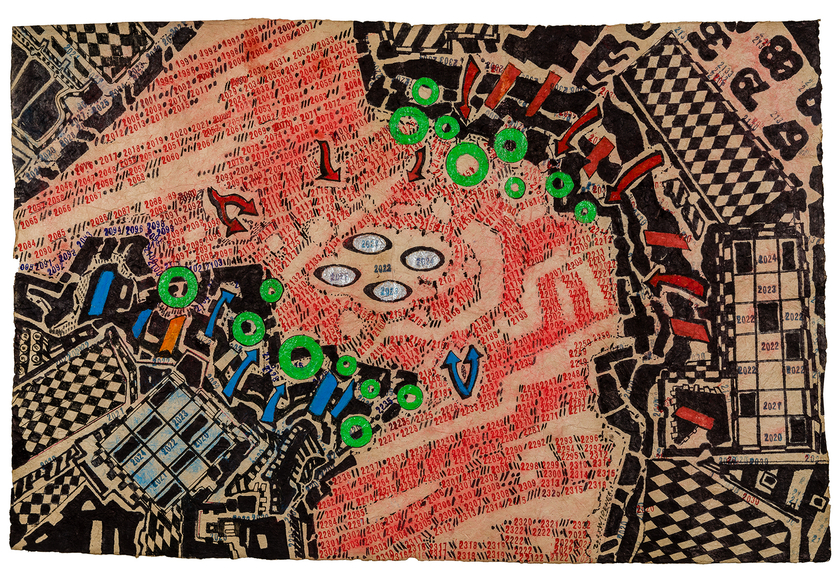
Untitled (with Red Arrows), 2025
Marker, ink, and paint on brown paper, 19 1/4 x 29 3/4 in.
George Widener (b. 1962)
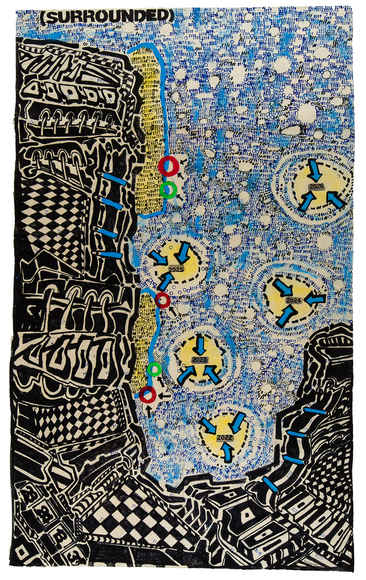
Surrounded, 2025
Marker, ink, and paint on heavy paper, 49 1/2 x 29 3/4 in.
George Widener (b. 1962)
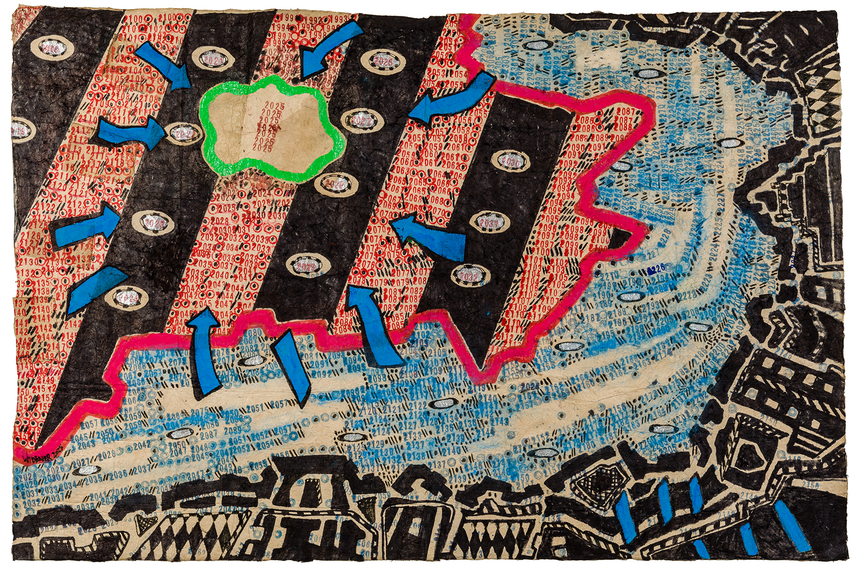
Untitled (Blue Arrows inside Red Border), 2025
Marker, ink, and paint on paper, 19 1/4 x 29 1/2 in.
George Widener (b. 1962)
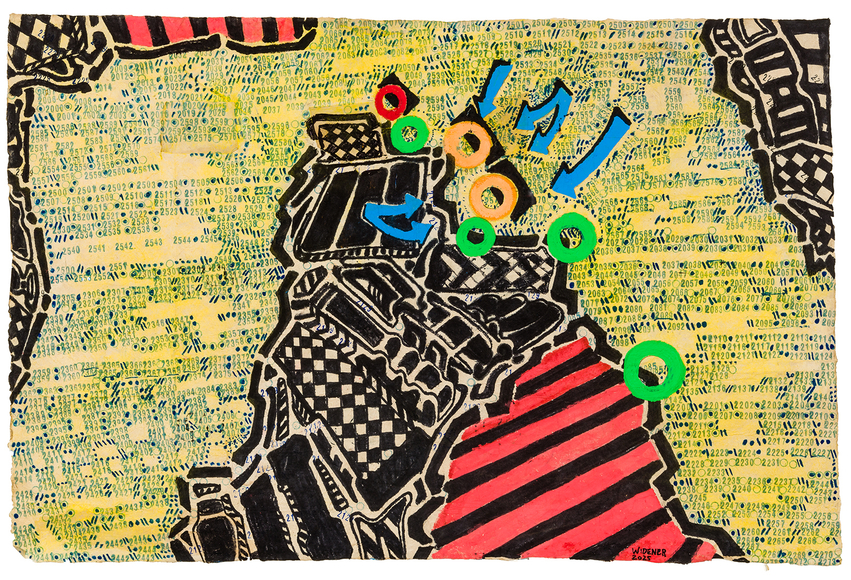
Untitled (Green, Orange, Red Circles), 2025
Marker, ink, and paint on paper, 19 3/8 x 29 1/2 in.
George Widener (b. 1962)
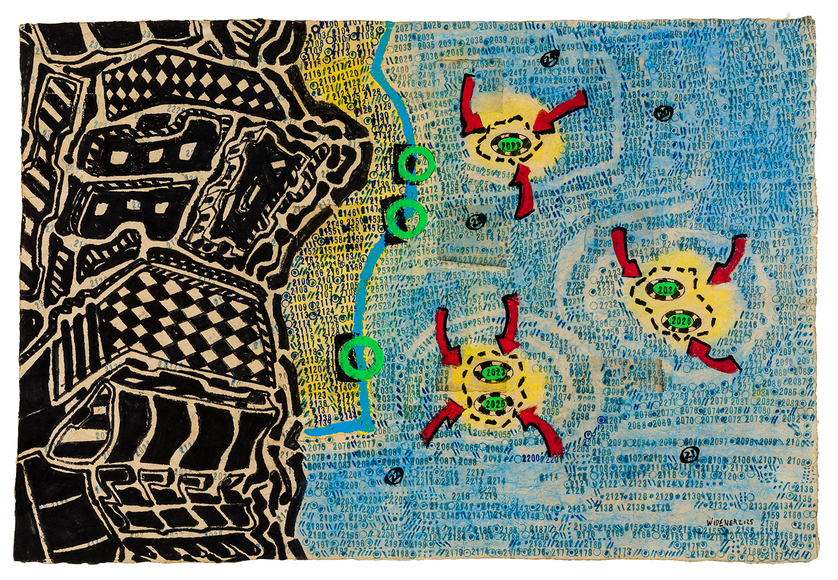
Untitled (Three Yellow Spots with Red Arrows), 2025
Marker, ink, and paint on paper, 19 1/2 x 29 1/2 in.
George Widener (b. 1962)
Untitled (Green Circles), 2025
Marker, ink, and paint on paper, 19 1/2 x 29 5/8 in.
George Widener (b. 1962)
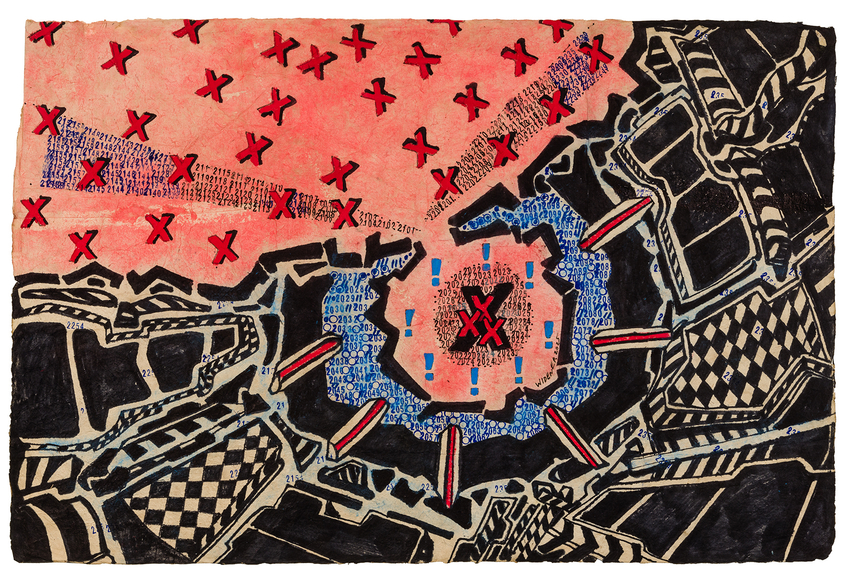
Untitled (Red Xs), 2025
Marker, ink, and paint on paper, 19 1/2 x 29 1/2 in.
George Widener's work occupies a unique place in the art world. A well-known numbers savant, he is celebrated for his ability to craft multi-layered visual narratives that merge mathematical precision with personal storytelling, drawing upon his own vivid memories and fascination with the intricacies of timekeeping systems.
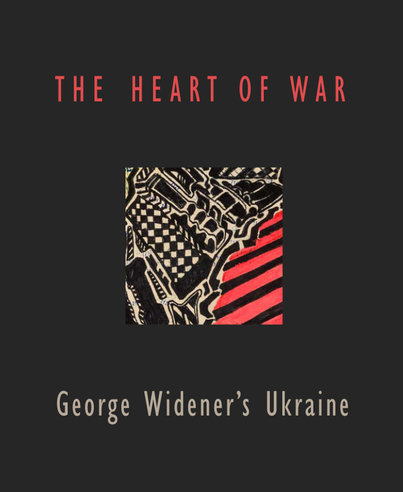
Hirschl & Adler Modern is pleased to present recent works by George Widener that reflect on his months volunteering in war-ravaged Ukraine. The Heart of War: George Widener’s Ukraine features seven multi-media works on paper completed by the artist after his return to the United States in the fall of 2025. These are partially abstracted reflections of the region’s chaos and emotional intensity, interpreted through a combination of symbols, words, and numbers that are central to the artist’s practice. It was Widener’s sixth volunteer effort in Ukraine since the start of the Russian invasion in 2022. During that time, Widener provided logistical and humanitarian assistance in some of the most sensitive and dangerous places in the war. He bore witness to the aftermath of the massacre in Bucha and delivered supplies to Ukrainian soldiers on various fronts in the Donetsk and Donbas regions: the outskirts of the battles of Avdiivka, Zaporizhzhia, and Pokrovsk.
George Widener may be the only professional American artist, who is also a veteran, with significant experience in the many theaters of the Ukraine-Russia conflict. His personal mission is to support local communities and document the ongoing challenges faced by the Ukrainian people. This commitment to both global awareness and the fight for Democracy permeates Widener's art, imbuing it with a sense of empathy and urgency.
The pictures in The Heart of War take visual cues from heavily relied upon maps of the Ukraine-Russia conflict compiled by the Institute for the Study of War, in Washington, D.C., an open-source intelligence and analytics organization whose up-to-date interactive maps are used widely by combatants and non-combatants alike. These drawings are Widener’s expression of the devastating impact of the war on himself and others more broadly. They focus on the cold, calculating tone of military analysis juxtaposed against the ruinous destruction and suffering inevitable to all wars. On a map, terrible fighting is reduced to patterns of simple lines, colors and symbols on a page. But Widener uses dense, black marker on the periphery of his “maps” to evoke the shapes of bombed, hollowed-out concrete buildings he witnessed in the aftermath of fighting throughout Eastern Ukraine. Now the pain and fear are no longer distant or theoretical. They are deeply felt and experienced by the artist.